Bagna Cauda, Flavors from Northern Italy
The pot of warm oil, butter, garlic and anchovies simmers gently for hours until all the ingredients are soft, merging into a warm thick sauce. It fills the house with delicious aromas and prompts our guests to pace hungrily around the apartment, casting longing glances towards the kitchen.
When it is ready, the Bagna Caúda, meaning ”hot bath” in Italian, is placed in the middle of the table in a bowl with a candle underneath. Greedily, we dip sticks of celery, steamed artichoke, carrot, tomatoes and radishes into the mixture. The sweet tastes of butter and olive oil, the savory salty anchovies and the earthy garlic mingle with the crisp freshness of the vegetables.
 Bagna Caúda, a signature dish of the northern Italian region of Piedmont, brings together ingredients from land and sea; anchovies and salt brought from Liguria, olive oil from Provence, garlic and vegetables from the mountain farms of Piedmont. Indeed, the dish is symbolic of the region itself. Though landlocked, it spans an incredible variety of ecosystems from the Po Valley in the east to the Alpine north. Naturally, this diversity is reflected in its food and farming traditions. Piedmont has the greatest number of wines and cheeses currently holding protected geographical status in the entire country.
Piedmont food culture is a reflection of its close proximity to the sea, to France, and to the Alpine countries in the north. But it’s not just its geography that makes it unique. Activists and farmers from Piedmont are influencing the way people produce, eat and think about food, not only in Europe, but worldwide. This convergence of a diverse food culture and progressive food politics creates the backdrop for the bi-annual Terra Madre conference that is hosted by Slow Food in Turin. The conference brings together as many as 9000 delegates from across the globe to discuss food, farming, gastronomy, globalization and economics. Alongside the conference, the Salone del Gusto showcases hundreds of diverse, small-scale, quality producers.
For a long weekend at the end of October, Turin is transformed into a hub of all things food: discussions, debates, workshops, and all manner of tasting events. It is estimated that 200,000 visitors make it to the Salone del Gusto, and this year, Terra Madre itself will also be open to the public. This gives all those who are interested the chance to participate in the exchange of knowledge, views, techniques, food culture and the spirit of resistance that draws people from every corner of the globe to this mountainous Italian region.
As in a simmering bagna caúda, the many diverse voices of farmers and food activists, ingredients from near and far, are brought together in a mix that is truly greater than the sum of its parts.
Ingredients
Stay in the loop with Food First!
Get our independent analysis, research, and other publications you care about to your inbox for free!
Sign up today!(Serves 4)
125ml/4fl oz. extra virgin olive oil
4-5 cloves of garlic, peeled and crushed
12 anchovies preserved in olive oil, drained and chopped
120g/4oz unsalted butter, cut into cubes
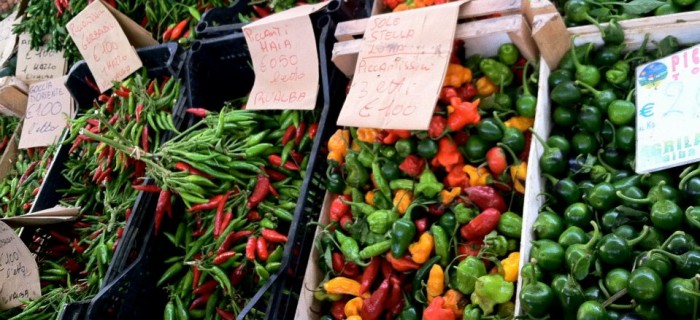
Selection of raw vegetables such as fennel, cauliflower, artichoke, endive, celery, peppers and zucchini, cut into bite-sized pieces.
Preparation
Blend oil, butter, anchovies and garlic in processor until smooth. Transfer oil mixture to heavy medium saucepan. Cook over low heat for 15 minutes, stirring occasionally. The sauce will separate, but is done when all ingredients are very soft and well mixed. Season with salt, pepper and fresh parsley (optional).
Pour sauce into fondue pot or other flameproof casserole. Set pot over burner or candle to keep it warm. Serve with raw, boiled or roasted vegetables and bread for dipping.
--> // // Removidas / comentadas de forma segura. Se precisarem no futuro, reimplementar sem misturar HTML comment com PHP. ?> Help Food First to continue growing an informed, transformative, and flourishing food movement.