Basque Ciderhouses: Community resource and cultural tradition
The Basque Country is rich in agricultural diversity, from horticulture to pastorialism; the Basque farmer has been able to make a robust living from the land. One of the most important Basque crops is the apple, and the drinking of cider is considered a staple food rather than solely a drink. While over 80 different native apple varieties can be used for cider, today only about 12 species are grown exclusively for the making of cider. Because the quality of Basque cider is highly dependent on the quality of native apple species, local farmers have been strong proponents of the protection of these species.
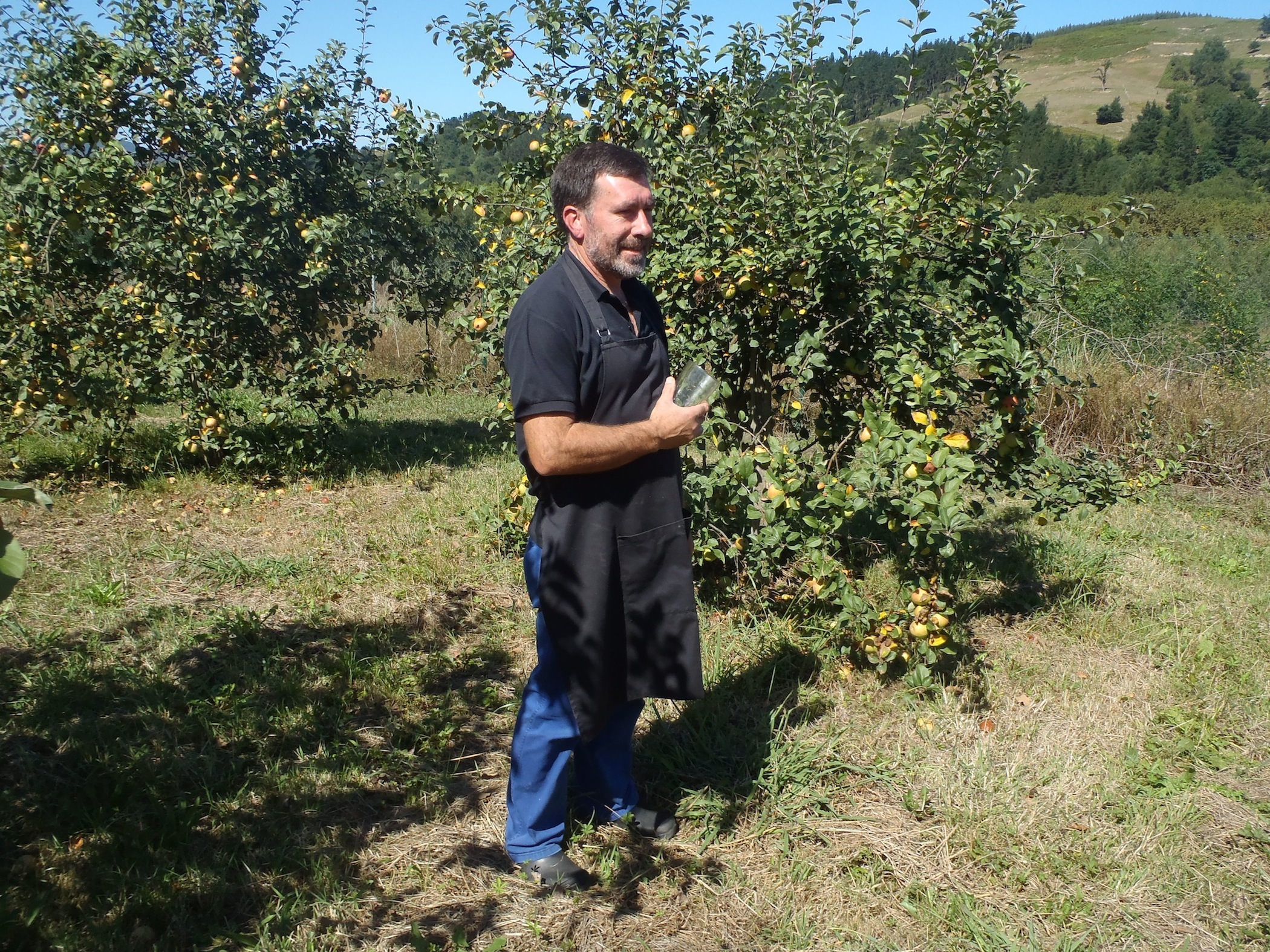 Since the making of fermented cider is integral to Basque culture, this local tradition has been protected by various laws since the 1200, some of which specifically shield the local market from foreign imports. In Gipuzkoa, one of the largest cider producing regions, an old law stated that the introduction of foreign cider was prohibited until the local supply had been consumed. However, after the Spanish Civil War, Basque production of cider almost disappeared due to an increase in the consumption of wine and the cutting of subsidies to apple farmers. Since the 1960s, farmers in the Gipuzkoa region have been fighting to resurrect heirloom apple crops and the production of cider. Currently, Basque apple farmers and cider producers are trying to protect their local heritage by obtaining a label such as the DOP (Denominación de Origen) label or the Euskal (Basque) Label, which protect products from the region. Some small, private groups of producers have organized their own product protection label, opting for localizing and decentralizing quality control measures that are usually deferred to the central Spanish government.
The production of cider has traditionally been a communal endeavor, in which the entire village would participate by harvesting apples from September until mid-November to deliver the harvest to the family or families that had the cider presses.
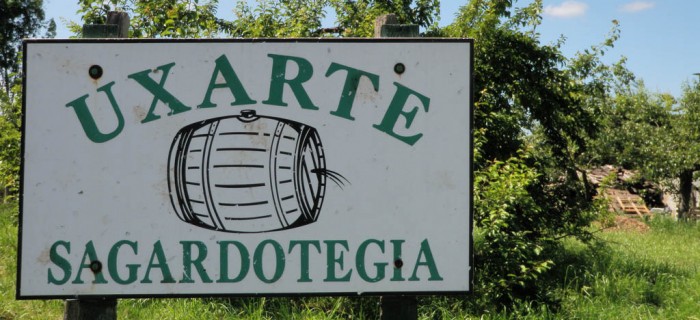
 The production of cider has traditionally been a communal endeavor, in which the entire village would participate by harvesting apples from September until mid-November to deliver the harvest to the family or families that had the cider presses.This would guarantee everyone’s right to the cider. Cider takes between two and six months to ferment. A young alcohol, it is made to be drunk within a year of its production. The fermentation of cider is followed up closely by the ‘cider season,’ from January-May. In the times when this was a collective resource, cider was enthusiastically consumed at local farmhouses; tastings were made directly from the fermentation barrels and people brought food to accompany the cider. Families and groups of friends, including many txokos (private gastronomical societies) have long standing traditions of going to farmhouses to taste and select the cider they would consume for the season. This tradition evolved into the current ciderhouses (sidrerías), which resemble restaurants, but with mixed and diverse menus serving local specialties, cider tastings, a community environment of shared tables, and sometimes live entertainment. Sidreria menus offer mainly local produce and meats. A typical menu includes cod fish, marinated bell peppers, grilled steak, a variety of cow, sheep and goat cheeses, quince jellies, and chutneys for dessert.
Basque cider continues to be produced and distributed almost entirely to the local market and sold directly to consumers. Distribution to local restaurants and hotels are still mainly directly from local cider makers and txokos continue to ask specific sidrerias for their bottled supply for the upcoming year. An important part of Basque cultural heritage, sidrerias allow communities to meet and support the local economy while enjoying cider and a good meal.
Visit a sidería and much more on one of our Food Sovereignty Tours to the Basque Country!
--> // // Removidas / comentadas de forma segura. Se precisarem no futuro, reimplementar sem misturar HTML comment com PHP. ?> Help Food First to continue growing an informed, transformative, and flourishing food movement.