
Delegation Report Back: Food Sovereignty in Piedmont, Italy
*Italy Delegation Participant, October 2012
Having participated as well last September in the Food Sovereignty Tour in the Basque region, I’m strengthened in my belief of the basically educational, innovative and encouraging nature of this type of Tours for which I want to congratulate Food First. It is showing that vacation time, travelling and tourism can be conceived and used for a basically human, enriching purpose that brings people together from different countries and regions and enables them to share their experiences, their lives and challenges in a very thoughtful manner. More people, especially young, but also less young people in all our countries should be offered this kind of Tours.
This was the first Food Sovereignty Tour to the Piedmont region. For me, it has been absolutely a success.
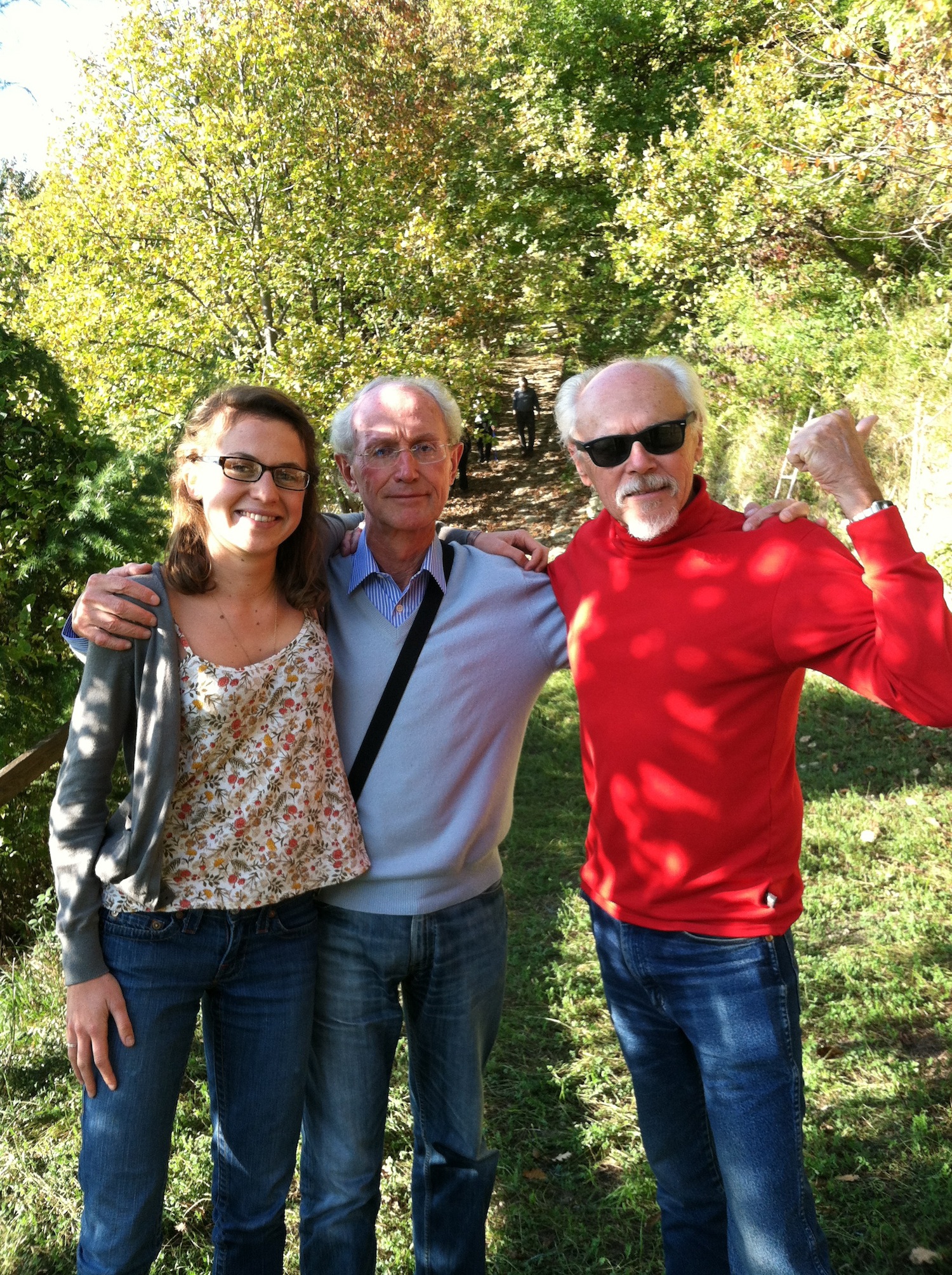 We had a wonderful and refreshing time among ourselves while traveling, while eating and while being together. The opportunity to exchange and share about our lives and experiences was so rich and diversified, thanks to the composition of our group, and the openness and interest shown by everyone – young and less young – for what the other has been doing during his/her life and for his/her relation with Food First and Food sovereignty.
In addition to our wonderful group, we had the unique opportunity to be together with people like Giorgio, our Italy Tour Coordinator. I only hope that others could be given so many deep explanations about politics in Italy and about his social commitment to food sovereignty. He shared amazing experiences from his whole life- from being in developing countries and in trade union organizations in the Piedmont region to entering his current activities linked to agro-ecology and food sovereignty that really put things into perspective for us.
We visited three different cooperatives that were all active in organic farming. Our visits helped us to better understand the basic nature of biological or organic farming and the dimension and variety of the transformation processes that add value to basic food products. We learned that cooperatives as organizations can be successful but that personal commitment and the sharing of fundamental values is an important prerequisite for that. Particularly impressive was the strength, the solidity and the cohesiveness shown by the three cooperatives as well as their dedication to solidarity and social justice.
I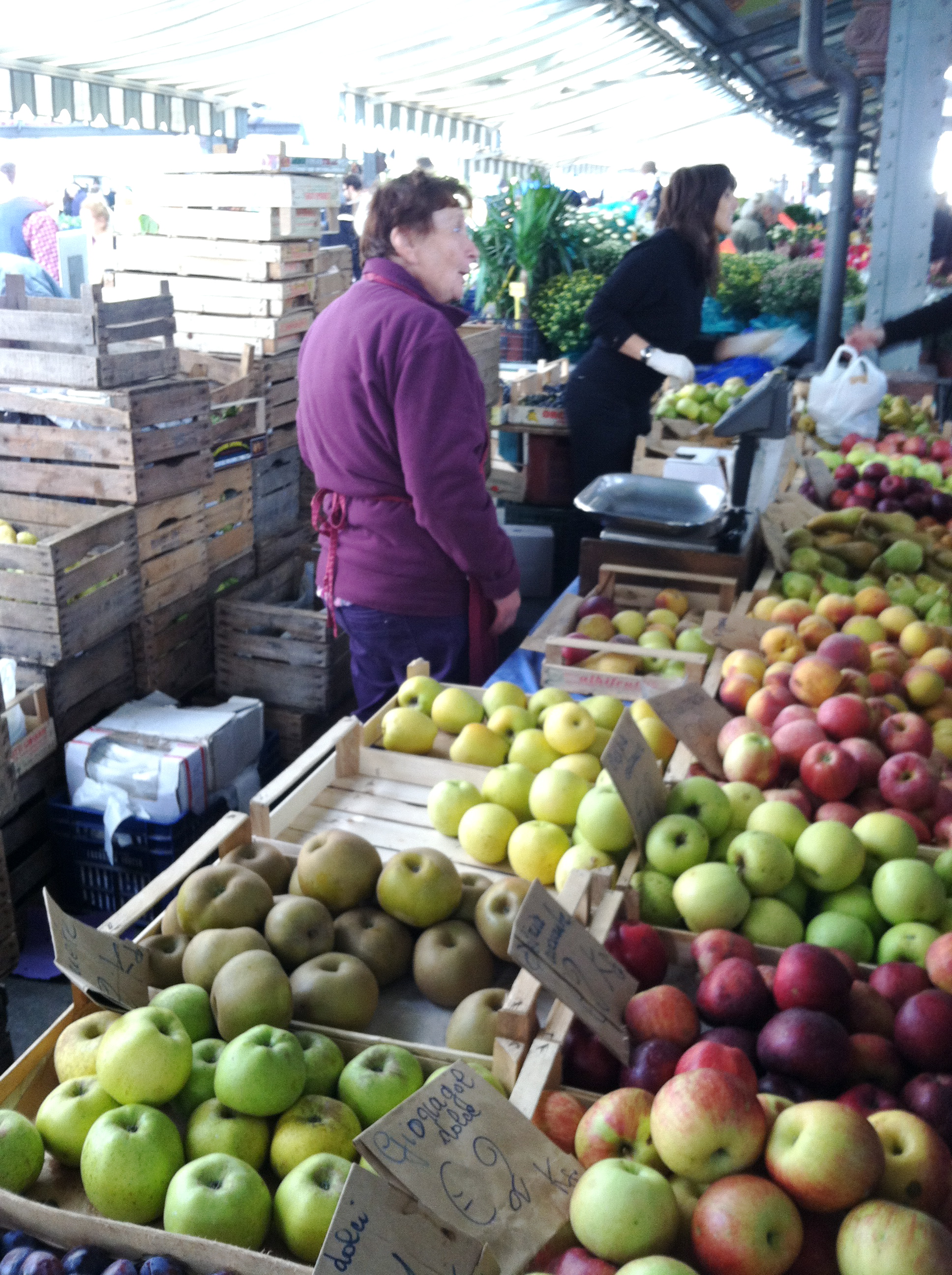 was also struck by the fact that for many of the cooperatives’ members, the lasting social links created between producers and consumers matter at least as much as mere economic exchange. A visit and discussion to the consumer association GAS in Turin showed in addition that consumer-producer cooperation stresses the importance of fair prices for the producer. These GAS-type organizations are part of a widening international network including the CSA in the United States, the AMAP in France, and the ‘teikei’ in Japan.
Stay in the loop with Food First!
Get our independent analysis, research, and other publications you care about to your inbox for free!
Sign up today!Visiting the Slow Food Headquarters and the University of the Gastronomic Sciences as well as the Research Centers –the Malva Arnaldi School and CRAB – showed us how much biological and organic farming is supported on the level of teaching, research, and information dissemination, and that the promotion of biodiversity, as of now, has strong support.
The subjects and discussions broadened to connect Italy to international movements at Franco’s Coop Terra e Gente, where we were given an introduction to the CISV activities in African countries and their solidarity commitment with the Peul Community in Senegal. I particularly appreciated this opportunity to discuss a major concern of small peasants in developing countries faced with dumping exports from the North, like milk powder or rice. Enabling developing countries to feed themselves requires the protection of these small producers and a new regulation of their markets against these shameful and even murderous policies, as they are root causes of hunger. This struggle is for me one of the main pillars and challenges of the food sovereignty agenda, and the discussions on this tour strengthened my belief that this agenda needs to be actively pursued by all of us in Europe and in the United States.
Back in Luxembourg, I feel more motivated and inspired on my way forward as a recently retired diplomat. First, I’ll try to get my book ‘Hunger kills’ published in English, in Spanish and possibly also in Italian. I’ll resume my activity with development NGO’s in Luxembourg like SOS-Faim or ASTM (Action Solidarité Tiers Monde), which is about to start a campaign on land grabbing organizing a photo exhibition to show its victims. I’m also interested in joining ongoing discussions between various NGO’s and peasant organizations attached to bio-farming, sustainable agriculture and a more ambitious reform of the Common Agricultural Policy. Finally, I’m planning field visits in developing countries to see some rural projects of the above-mentioned NGO’s and the functioning of partner peasants’ organizations.
Final Thoughts
The ongoing food crisis might be seen as part of a systemic crisis where the financial, the debt and the social crises cause immense new human sufferings. Huge inequalities continue to rise.
However, I join those who see here an opportunity for putting into question the neo-liberal globalization model and for exploring and shaping new, alternative ways for a fairer society based on social justice, solidarity and cooperation. The emerging and solid trend towards agro-ecology and more sustainable food systems has to be seen as an encouragement and as a promising, although unfinished, reform into that direction.
--> // // Removidas / comentadas de forma segura. Se precisarem no futuro, reimplementar sem misturar HTML comment com PHP. ?>Eaters, farmers and activists are invited to join Food Sovereignty Tours to explore food sovereignty in Piedmont, Italy, the home of Slow Food International. Check out our Tour Page for more information!
 Help Food First to continue growing an informed, transformative, and flourishing food movement.