In Oaxaca, Food Sovereignty Starts at the Roots
 They tore off our fruits,
they broke off our branches,
they burnt our trunks,
but they could not kill our roots.
-Popol Vuh
They tore off our fruits,
they broke off our branches,
they burnt our trunks,
but they could not kill our roots.
-Popol Vuh
From Occupy Wall Street in the US, to protests around the world, citizens are taking social inequity into their own hands. In Oaxaca, Mexico, farmers and consumers are fighting to preserve the integrity of their traditional food systems. As throughout Mexico, Oaxaca’s traditional agricultural practices have been deeply rooted in local cultures and livelihood for thousands of years. Despite setbacks, they are fighting to stay rooted in their traditions as the foundation of their food sovereignty.
With passage of the North American Free Trade Agreement (NAFTA) in 1994, US taxpayer-subsidized corn has flooded the Mexican market and undercut the prices of the traditional corn grown by peasant farmers. Genetically modified (GM) corn also began appearing, posing a serious threat to the livelihoods of farmers and agro-biodiversity in the region. Hundreds of traditional varieties of seeds that were once preserved and traded between peasant farmers are threatened by the contamination of GM crops. In response, local community members, scholars and activists have come together to form the Autonomous Network for Food Sovereignty, or RASA by its Spanish acronym, to empower Oaxacans to make change with their own hands.
RASA is a network of over 100 groups, organizations and individuals based at Oaxaca’s Earth University or Unitierra (short for Universidad de la Tierra) challenging the injustices in the current food system. Unitierra focuses on “strengthening autonomy, freedom and democracy, particularly in indigenous communities and barrios through transformative initiatives and actions.” The university encourages a learning style of practice, or “learn by doing,” and opens its doors to anyone interested in furthering their studies and regenerating Oaxacan cultural traditions.
Once GM crops started replacing traditional varieties, farmers around Mexico revolted with the rallying cry “sin maiz, no hay pais!” (without corn, there’s no country!).
RASA’s mission is to bring food sovereignty back to Oaxaca, as the region has become increasingly dependent on imports from the U.S. and other states in Mexico. RASA was launched in 2009 with a course in “urbicultura” (urban agriculture) where participants learned the ins and outs of cultivating produce in containers over a period of five months. This evolved into a forum in which urban Oaxacans could continue learning and sharing knowledge on how to produce their own food, from their backyard to their roofs.
In 2010 RASA, along with the Berkana Institute and Perspectiva Juvenil, hosted 40 participants from Mexico and abroad at a four-day gathering to “learn from one another how to plant, cultivate, exchange, and consume food in a healthy, sane and just way.” Attendees shared best practices and participated in hands-on workshops and presentations around the city, in private houses, restaurants, urban gardens, NGO offices, alternative healing centers and activist youth collectives.
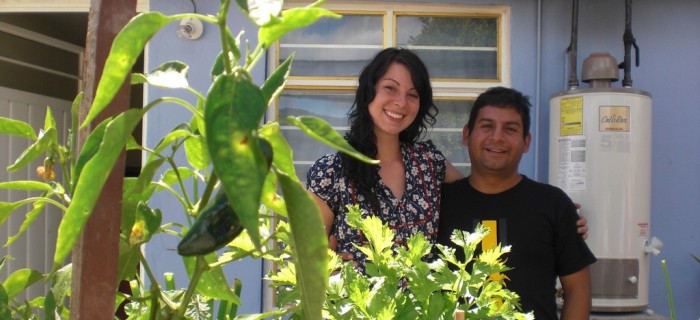
As the Berkana Institute’s Aerin Dunford, a member and coordinator of RASA, explains, “some of RASA’s greatest accomplishments are less visible…they have to do with people’s own sense of self-worth and self-reliance.” She adds that participants in the network have described the autonomy they feel by producing food in their own home as really changing their lives and the choices they are able to make. The community as a whole is starting to feel empowered to bring back the farming techniques and traditions of recent generations.
Stay in the loop with Food First!
Get our independent analysis, research, and other publications you care about to your inbox for free!
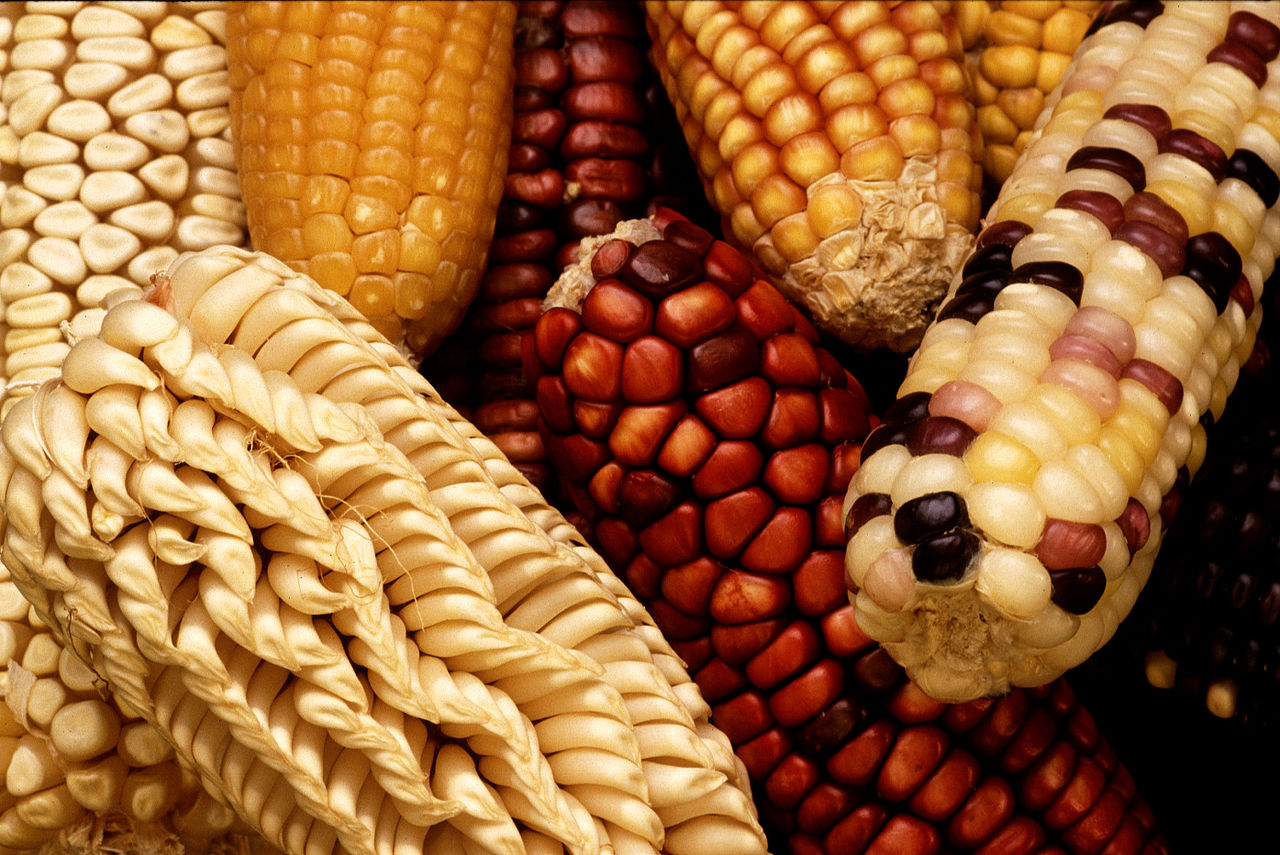
Sign up today! The heart of this struggle stems from a rich legacy of corn, or “maize,” production that has been the foundation of Mexican culture and history. As the first producers of corn, Mesoamerica’s peasant farmers have an intimate knowledge of the land and have produced thousands of varieties over the years in the face of varying weather patterns and growing conditions. Corn is central to all community celebrations, from the birth to the funeral, and is ubiquitous in religious ceremonies and local festivities.
Once GM crops started replacing traditional varieties, farmers around Mexico revolted with the rallying cry “sin maiz, no hay pais!” (without corn, there’s no country!). In Oaxaca, Unitierra responded with the initiative En Defensa de Nuestro Maíz (In Defense of Our Corn) comprising 60 people and organizations who use media to fight against transgenic contamination of native corn species.
As the movement for food sovereignty gains momentum, more and more people are demanding the ability to decide what they eat and the ability to produce for themselves what they consume. They are also achieving a sense of empowerment through teaching their valuable skills and learning from others. RASA is helping to build resilience and self-sufficiency in Oaxaca’s food system by helping to restore Oaxacan culture from the roots.
--> // // Removidas / comentadas de forma segura. Se precisarem no futuro, reimplementar sem misturar HTML comment com PHP. ?> Help Food First to continue growing an informed, transformative, and flourishing food movement.