Over 43 years, Food First has published many books uncovering the root causes of hunger and poverty. Unfortunately, our downstairs storage area is running a little too full, so we would like to offer you all FREE copies of the titles below. Only thing you have to pay is shipping! Look through the following titles and email Rowena Garcia at rgarcia@foodfirst.org if you are interested! If you are located in the Bay Area, you can come by the office to pick up any of these titles so you won’t have to pay for shipping.
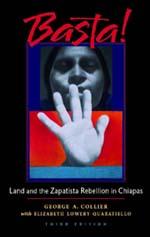 Basta!: Land and the Zapatista Rebellion in Chiapas – 2005: On January 1, 1994, the Zapatista rebellion began in the Mexican state of Chiapas. George Collier and Elizabeth Lowery Quaratiello tell the historical struggle for land faced by the Maya Indians, among Mexcio’s poorest people. By examining the roles played by Catholic and Protestant clergy, revolutionary and peasant movements, the oil boom and the debt crisis, the role of NAFTA in the free trade era, and the global justice movement, the authors provide the context for understanding the uprising and subsequent history of the Zapatistas and rural Chiapas.
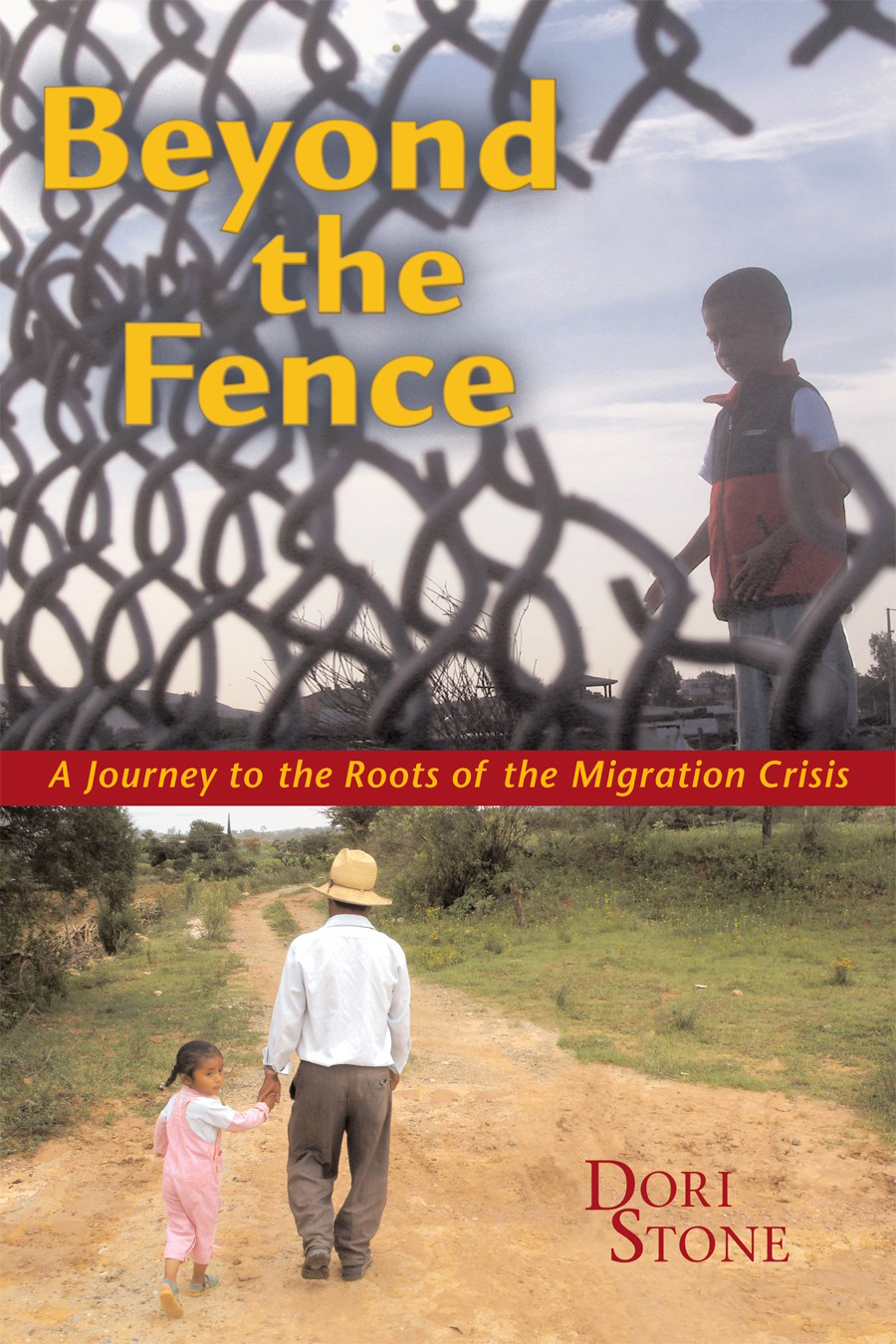 Beyond the Fence: A Journey to the Roots of the Migration Crisis – 2009: “While the immigration debate U.S. has focused narrowly on political and physical barriers, on legalization versus deportation, on border security and enforcement, this books takes us beyond the fence and past that polarized debate, to examine the underlying forces driving immigration and the promising grassroots solutions already underway.”
 earthsummit.biz – 2002: “A muckraking expose of corporate greenwashing and of the disturbing trend toward U.N.-corporate “partnerships” that give corporations good PR without requiring them to improve their behavior. earthsummit.biz exposes the current state of corporate rhetoric vs. corporate reality and debunks the paradigm of transnational “responsibility” and self-regulation. It contains 18 corporate case studies, as well as the complete texts of the U.N.’s toothless Global Compact with corporations, and the Global Compact’s civil society counterpart, the Citizens Compact on the United Nations and Corporations. ”
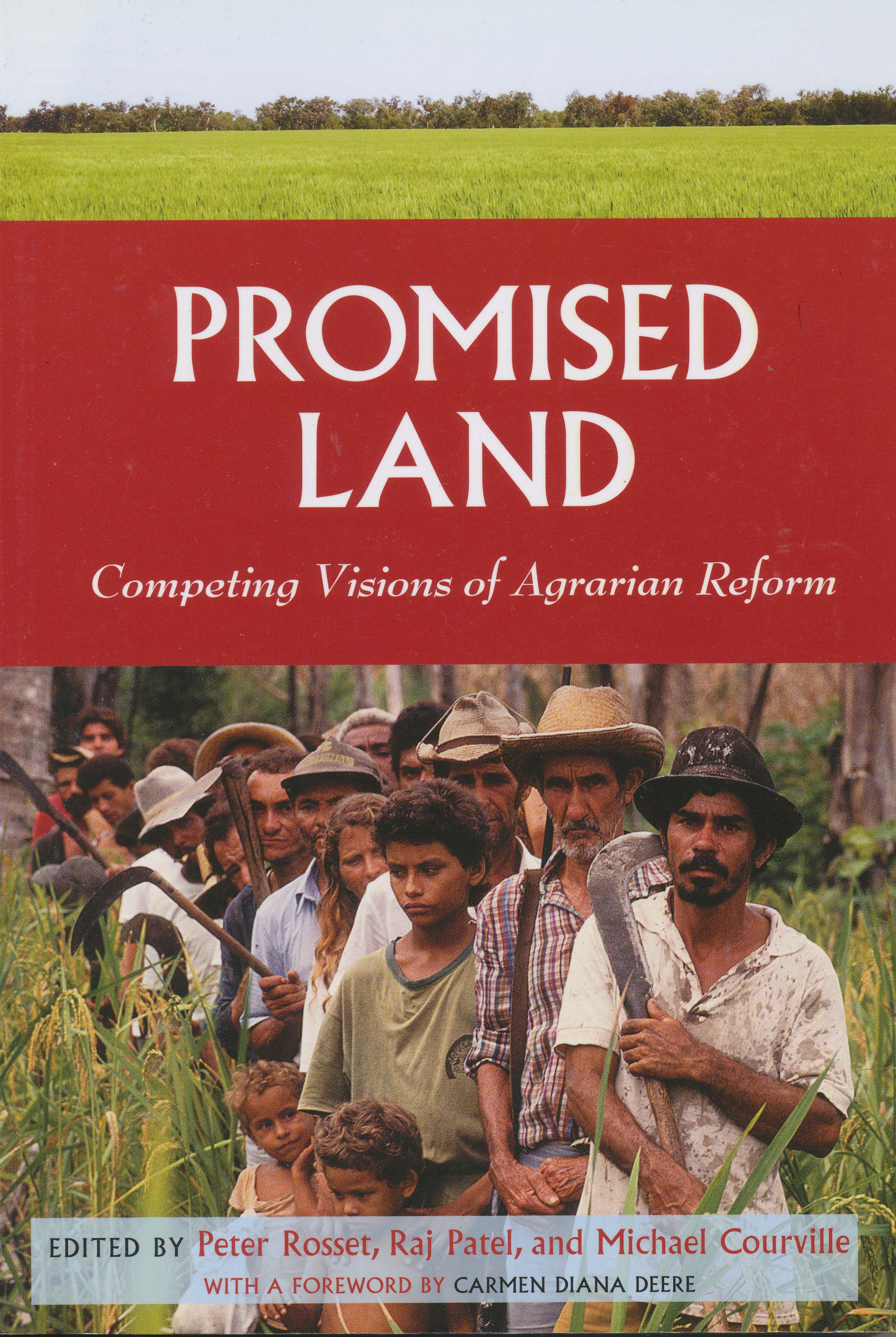 Promised Land: Competing Visions of Agrarian Reform – 2006: “Agrarian reform is back at the center of the national and rural development debate, a debate of vital importance to the future of the Global South and genuine economic democracy. The World Bank as well as a number of national governments and local land owning elites have weighed in with a series of controversial policy changes. In response, peasants landless, and indigenous peoples’ organizations around the world have intensified their struggle to redistribute land from the underutilized holdings of a wealthy few to the productive hands of the many.”
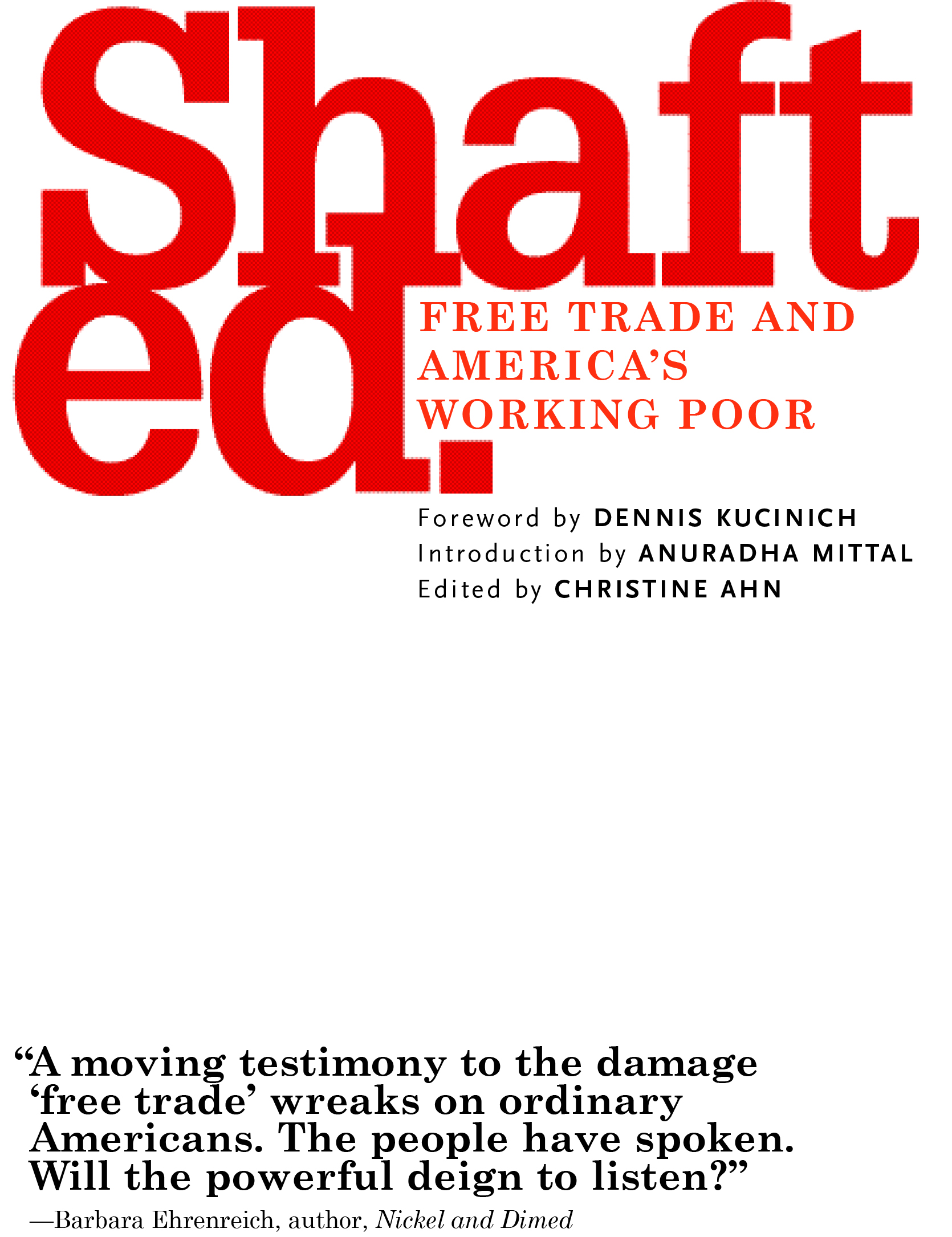 Shafted: Free Trade and America’s Working Poor – 2003: “Trade agreements are supposed to benefit us all. Instead, in the decade[s] since they’ve been in effect, life has become much worse for millions of working Americans. In Shafted, working people-family farmers and farmworkers, fishermen and seamstresses-describe the ruin free trade has brought to them, their families, and their towns. These aren’t theorists; these are the voices of experience.”
 To Inherit the Earth: The Landless Movement and the Struggle for a New Brazil – 2003: “To Inherit the Earth tells the dramatic story of Brazil’s Landless Workers’ Movement, or MST — millions of desperately poor, landless, jobless men and women who, through their own nonviolent efforts, have secured rights to over 20 million acres of farmland. Not only are the MST fighting for their own rights, they are transforming their society into a more just one–and their approach may offer the best solution yet to Brazil’s environmental problems in the Amazon and elsewhere.”
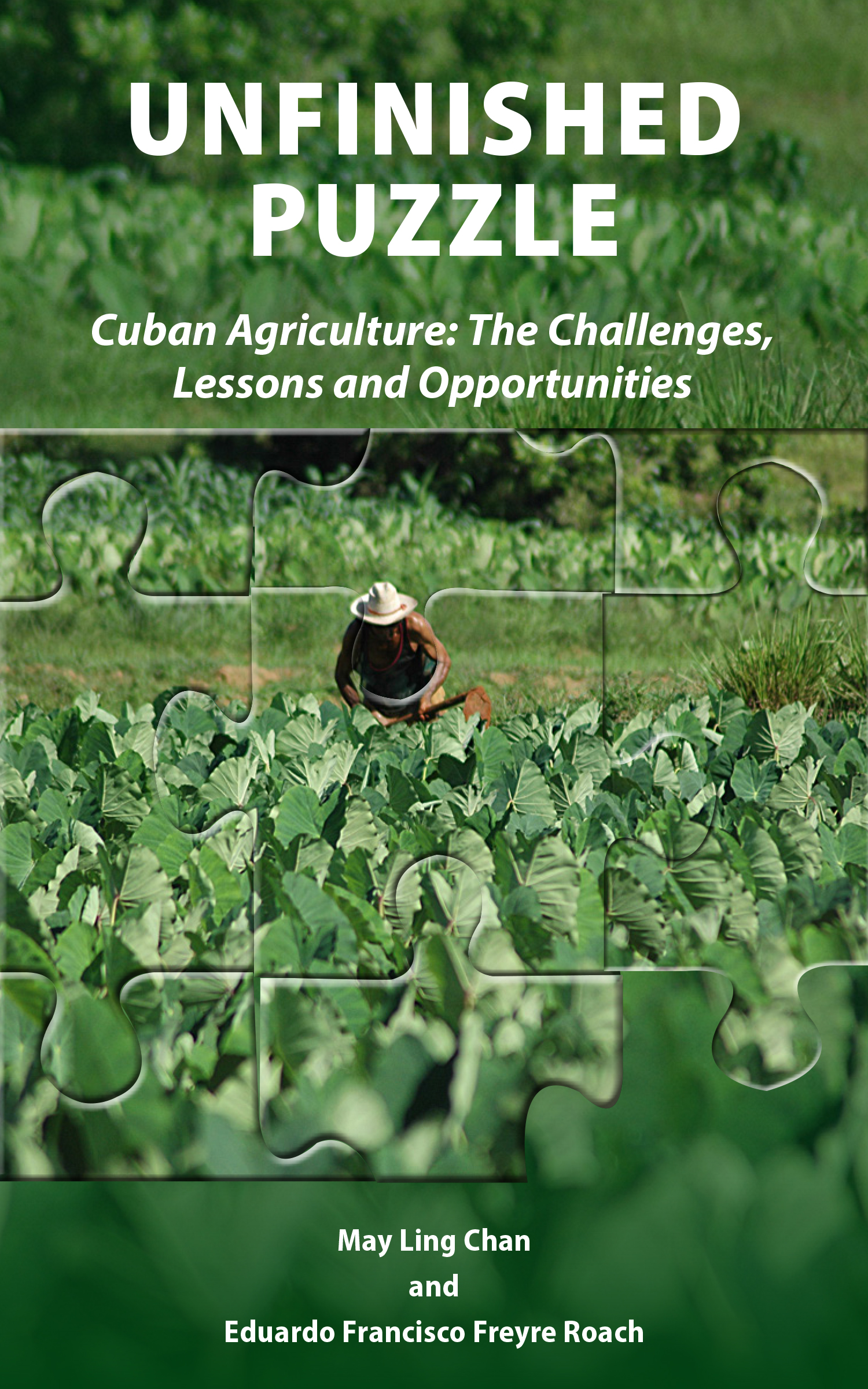 Unfinished Puzzle: Cuban Agriculture – The Challenges, Lessons and Opportunities -2012: “Cuba is widely recognized for its social achievements including healthcare, education, social security, subsidized food and other benefits and opportunities. For more than 50 years, this Caribbean island has defended and sustained these economic, political, social and cultural gains, and has maintained a commitment to humanitarianism and international solidarity that persists to this day. This book provides a rare view from inside Cuba of the tension between food sovereignty and the struggle for food security in the face of a 50-year U.S. embargo.”
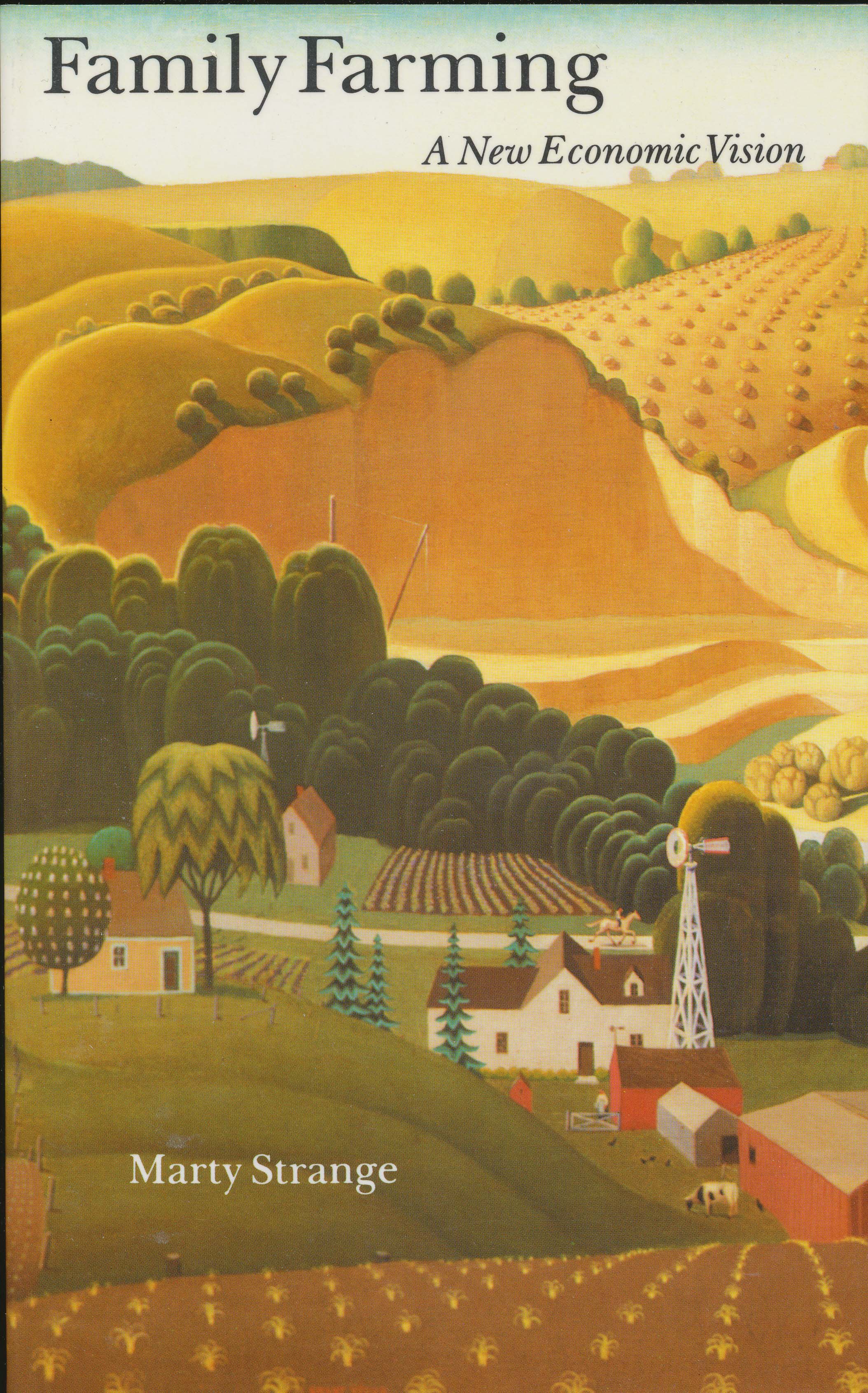 Family Farming: A New Economic Vision – 1988: “Family Farming exposes the bias in American farm policies that irrationally encourages expansion—a bias evident in federal commodity programs, income tax provisions, and subsidized credit services. Marty Strange challenges the assumption that bigger is better, critiques the technological base of modern agriculture, and calls for farming practices that are ethical, economical, and ecologically sound.”
 The Future in the Balance: Essays on Globalization and Resistance – 2001: “Third World activist and scholar Walden Bello is one of the most astute and ardent critics of the international financial institutions. His collection of essays in The Future in the Balance show how a world has been created where the poor are left to meet their needs in a skyrocketing free market, and protectionism and cronyism exists for banks and corporations. Bello shatters the myths of development as prescribed by these institutions and offers the possibility of another world based on fairness and justice.”
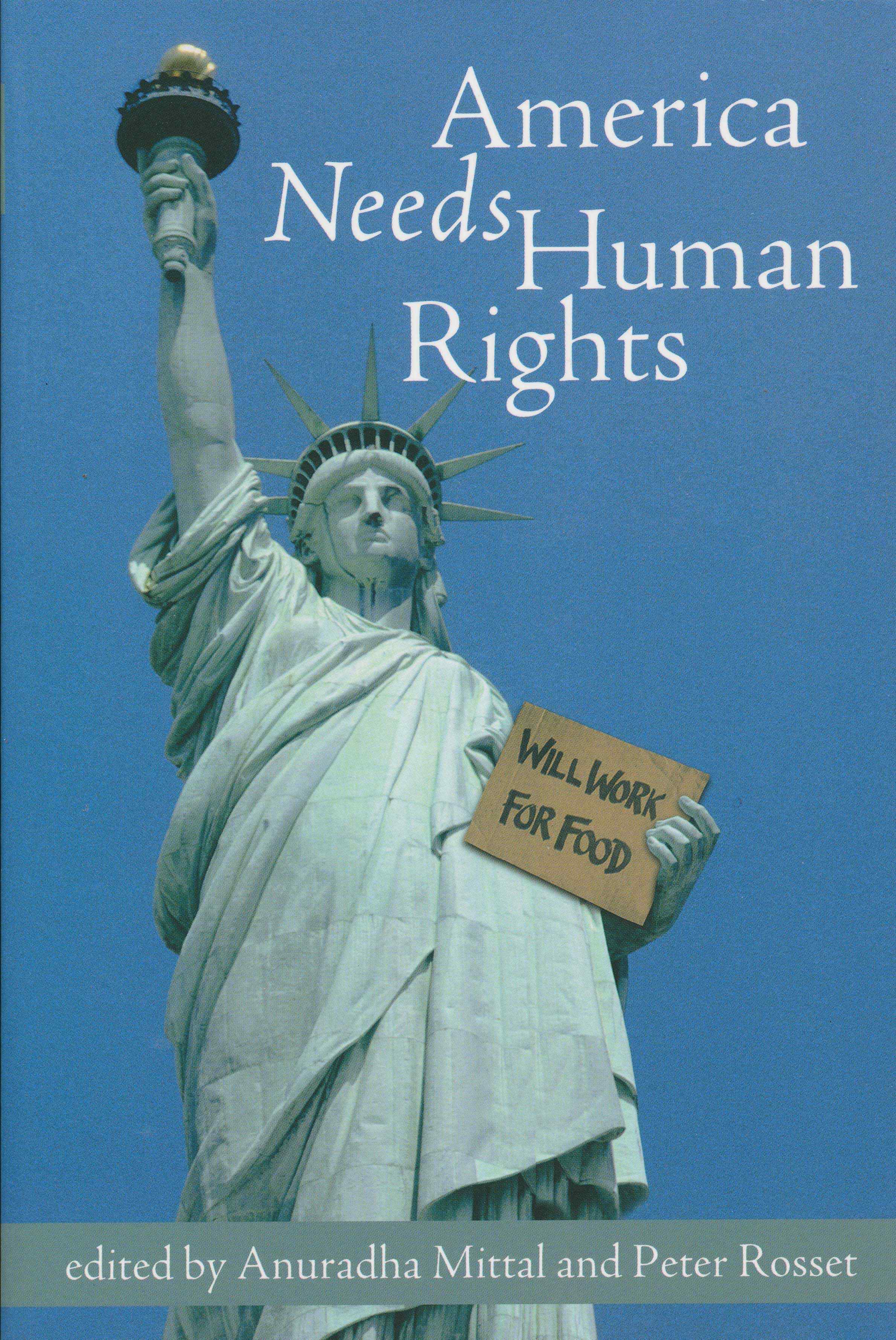 America Needs Human Rights – 1999: “We may be in the middle of economic recovery, but millions of Americans are not sharing the benefits. The growing ranks of those without adequate food, jobs, shelter, or health care challenge our fundamental notions of right and wrong. America Needs Human Rights makes a powerful case that both the letter and spirit of universally recognized human rights are routinely violated in America by government policies that safeguard profits rather than people. ”
 Alternatives to the Peace Corps – 2008: Containing an exhaustive list of alternative options to the Peace Corps. Whether you want to volunteer at home or abroad, and whether you can spend two years or two weeks, this book will help you find a community-based, grassroots volunteer experience.
 Help Food First to continue growing an informed, transformative, and flourishing food movement.